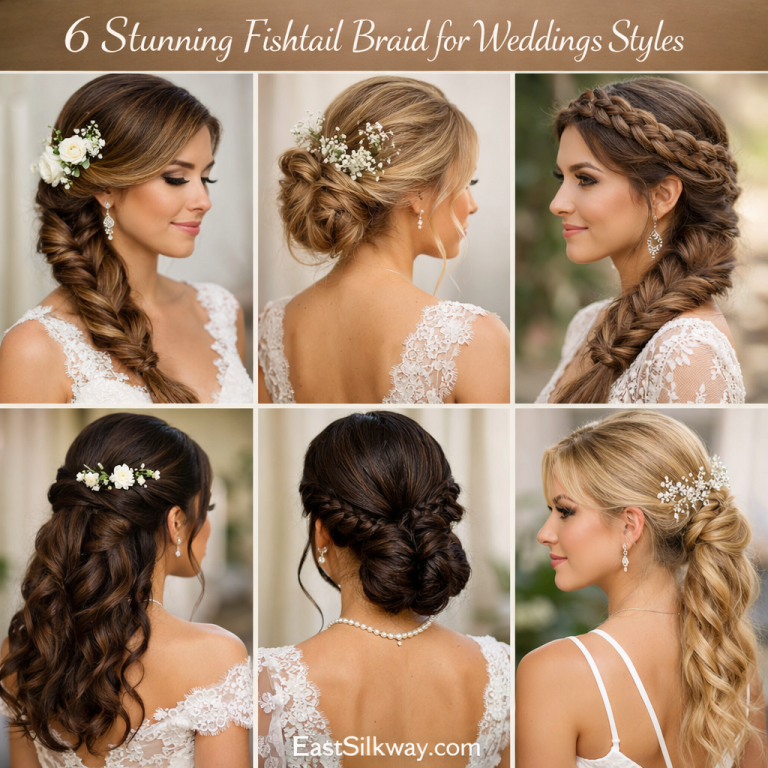
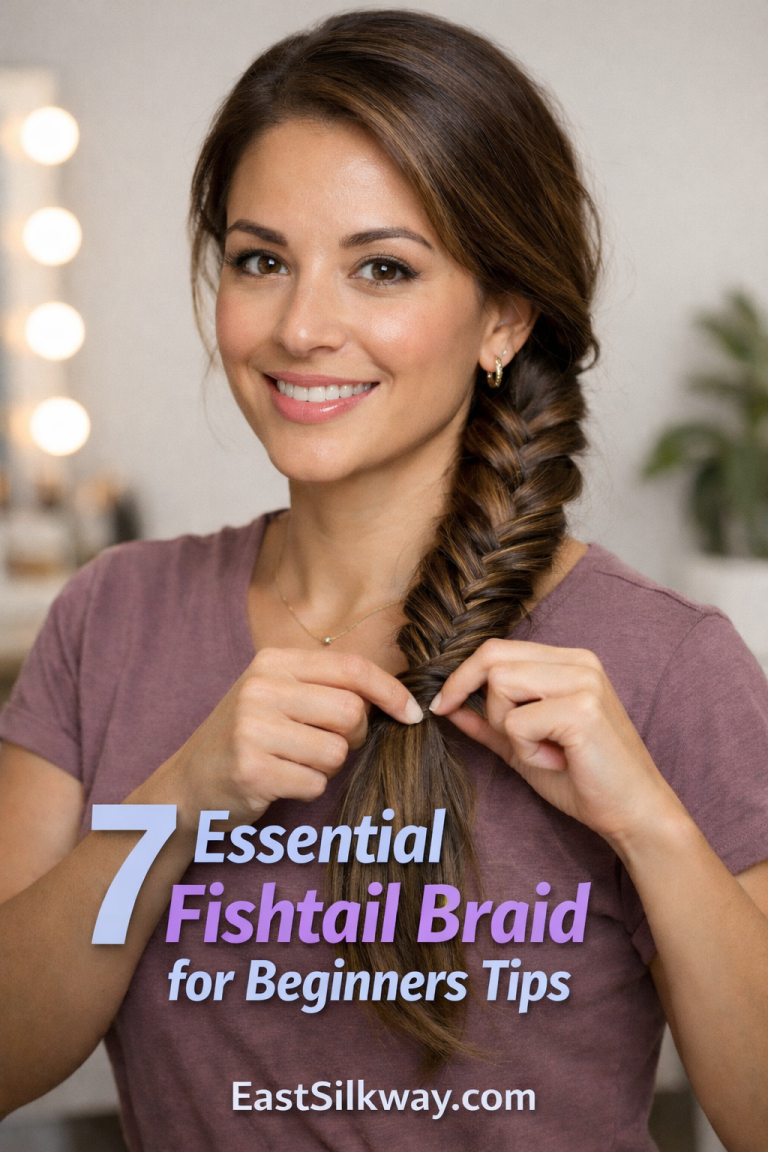
Learning a fishtail braid for beginners doesn’t have to be overwhelming. Despite its intricate appearance, this stunning hairstyle is surprisingly simple once you understand the basic technique. Whether you’re preparing for a special occasion or simply want to expand your hairstyling skills, mastering the fishtail braid for beginners opens up countless styling possibilities. This tutorial breaks down seven essential tips that will transform you from a complete novice into a confident braider.
The beauty of a fishtail braid for beginners lies in its forgiving nature. Unlike traditional three-strand braids that require precise sectioning, this two-section technique allows for natural variation that actually enhances the final look. With consistent practice and the right approach, you’ll soon discover why this braid has remained a timeless favorite across generations.
1. Start with a Side Ponytail for Better Visibility
One of the most valuable tips for any fishtail braid for beginners is to begin with a low side ponytail positioned over your shoulder. This strategic placement allows you to see exactly what you’re doing throughout the entire braiding process. When learning a fishtail braid for beginners, visibility is everything—trying to braid behind your head without being able to see your work creates unnecessary frustration.
Secure your ponytail at the nape of your neck and bring it forward over one shoulder. This simple adjustment transforms the learning experience, letting you watch how the sections cross and interweave. According to Allure’s braiding guide, positioning your work where you can see it significantly reduces the learning curve for any braid style. Once you’ve mastered the technique with this method, transitioning to a center-back braid becomes remarkably easier.
2. Use Second-Day Hair for Optimal Grip and Texture
Creating a successful fishtail braid for beginners requires understanding how hair texture affects your results. Freshly washed hair tends to be slippery and smooth, making it challenging to maintain the tension needed for a neat braid. Second-day hair, however, has natural oils and slight texture that provide the perfect grip for braiding.
If you must work with clean hair, apply a texturizing spray or dry shampoo before attempting your fishtail braid for beginners. These products add the necessary friction between strands, preventing sections from sliding apart. Many experienced stylists recommend this approach for achieving a fishtail braid for beginners that holds its shape throughout the day. The added texture also makes thin sections easier to handle, which is crucial for the intricate pattern characteristic of this braid style.
3. Keep Hair Sections Pencil-Thin for an Intricate Pattern
The defining feature of any fishtail braid for beginners is the distinctive herringbone pattern created by crossing thin sections of hair. When practicing your fishtail braid for beginners technique, aim to pull sections approximately the width of a pencil from the outer edges. Thinner sections create a more detailed, visually striking pattern that showcases the true beauty of this braiding style.
While it might seem tedious at first, maintaining consistently thin sections is what separates an average fishtail braid for beginners from a stunning one. Take your time with each cross—rushing through with thick sections results in a braid that resembles a regular twist rather than the signature fishtail pattern. As you become more comfortable with the motion, your speed will naturally increase without sacrificing the intricate detail.
4. Maintain Consistent Tension Throughout the Entire Braid
Tension control represents one of the most critical aspects of creating a neat fishtail braid for beginners. Loose sections create a messy, undefined braid, while overly tight pulling can cause discomfort and an unnaturally stiff appearance. The goal when crafting your fishtail braid for beginners is to find that comfortable middle ground—firm enough to hold the pattern but relaxed enough to allow for natural movement.
Hold your working sections taut as you cross them from side to side. For a fishtail braid for beginners, consistency matters more than perfection. Even tension throughout the entire length ensures a uniform appearance from top to bottom. If you notice some sections becoming loose as you progress, don’t worry—you can gently tug and adjust the braid once you’ve secured the end with an elastic.
5. Master the Basic Two-Section Crossing Technique First
The foundation of every fishtail braid for beginners rests on understanding the simple crossing motion. Unlike traditional braids that juggle three sections, this style only requires managing two main sections. Divide your ponytail in half, then repeatedly take a thin strand from the outer edge of one section and cross it over to join the opposite section.
Practice this fundamental movement before attempting a full fishtail braid for beginners. The pattern follows a straightforward rhythm: take a thin piece from the right outer edge, cross it to the left section; take a thin piece from the left outer edge, cross it to the right section. This alternating pattern creates the distinctive woven appearance. According to Good Housekeeping’s hair tutorial experts, mastering this basic crossing technique is the key to success with any fishtail braid variation.
6. Secure with Clear Elastics at Both the Base and End
When completing your fishtail braid for beginners, the right securing method prevents unraveling and maintains your hard work. Clear elastics blend seamlessly with any hair color, creating an invisible hold that lets the braid itself take center stage. Position one elastic at the base of your ponytail if you started there, and another at the bottom of your finished braid.
For a polished fishtail braid for beginners, wrap a small section of hair around the bottom elastic to conceal it. Simply take a thin strand from the braid, wrap it around the elastic band, and secure it with a bobby pin tucked underneath. This professional finishing touch elevates your fishtail braid for beginners from practice project to salon-worthy style.
7. Pancake Your Braid for a Fuller, More Romantic Appearance
Pancaking transforms a standard fishtail braid for beginners into a voluminous, effortlessly romantic style. This technique involves gently pulling apart the outer edges of your completed braid to widen and loosen the sections. The result is a fuller, softer fishtail braid for beginners that appears more intricate and dimensional.
Start at the top of your fishtail braid for beginners and work downward, using your fingers to carefully tug on the outer loops. Pull gently and evenly on both sides to maintain symmetry. This step is particularly forgiving for a fishtail braid for beginners because it actually helps disguise minor imperfections while adding impressive volume. The loosened sections catch light beautifully, creating depth and texture that makes your braid appear more complex than it actually is.
Common Mistakes to Avoid When Learning Fishtail Braid for Beginners
Even with proper guidance, certain pitfalls commonly trip up those attempting their first fishtail braid for beginners. Recognizing these mistakes helps you avoid frustration and achieve better results faster.
Taking Sections That Are Too Large
The most frequent error in any fishtail braid for beginners tutorial is pulling overly thick sections. This mistake eliminates the characteristic herringbone pattern, resulting in a braid that looks more like a simple twist. Remember that patience with thin sections pays off in the final appearance of your fishtail braid for beginners.
Inconsistent Tension
Varying your grip pressure throughout the braiding process creates an uneven fishtail braid for beginners with some sections tight and others loose. Maintain awareness of your tension, checking periodically that you’re applying consistent pressure as you work down the length.
Trying to Braid Behind Your Head Too Soon
Rushing to create a center-back fishtail braid for beginners before mastering the technique where you can see it leads to unnecessary difficulty. Build your muscle memory and confidence with side braids first, then progress to more challenging positions.
Working with the Wrong Hair Texture
Attempting a fishtail braid for beginners on freshly washed, silky hair without any texture products makes the process significantly harder. Always add grip through texturizing spray or work with second-day hair for optimal results.
Essential Tips and Advice for Perfecting Your Fishtail Braid for Beginners
Beyond the seven main techniques, these additional insights will accelerate your progress with the fishtail braid for beginners:
Practice on Someone Else First
If possible, practice your fishtail braid for beginners on a friend or family member before attempting it on yourself. Working on another person eliminates the awkward arm positions and limited visibility, letting you focus purely on the technique. Many people find they can create a beautiful fishtail braid for beginners on others before successfully completing one on their own hair.
Use a Mirror Setup for Self-Braiding
Position a handheld mirror behind you while facing a wall-mounted mirror to create a rear view when practicing your fishtail braid for beginners. This dual-mirror technique helps you see exactly what’s happening even when braiding down the back of your head.
Set Realistic Expectations
Your first fishtail braid for beginners probably won’t look perfect, and that’s completely normal. Like any skill, braiding requires practice and repetition. Most people report noticeable improvement by their third or fourth attempt, with true confidence developing after completing seven to ten practice braids.
Record Your Technique
Set up your phone to record yourself creating a fishtail braid for beginners. Watching the video afterward helps identify areas where your technique could improve, revealing issues with tension, section size, or crossing method that you might not notice while braiding.
Experiment with Starting Points
While this fishtail braid for beginners guide recommends starting with a side ponytail, feel free to experiment once you’re comfortable with the basic technique. Try beginning your fishtail braid for beginners from different positions—high ponytail, low ponytail, or even starting without a ponytail by dividing your hair at the crown.
Conclusion
Mastering the fishtail braid for beginners is an achievable goal that opens up endless styling possibilities. These seven essential tips—starting with a visible side ponytail, using textured hair, keeping sections thin, maintaining consistent tension, practicing the crossing technique, securing properly with clear elastics, and pancaking for fullness—provide a comprehensive foundation for success.
Remember that every expert braider once struggled with their first fishtail braid for beginners. The difference between frustration and accomplishment lies in patient practice and applying the right techniques from the start. Use these guidelines as your roadmap, be gentle with yourself during the learning process, and celebrate small improvements along the way.
With these seven essential tips at your disposal, you’re now equipped to create beautiful, intricate-looking braids that belie their simple two-section construction. Your journey with the fishtail braid for beginners starts today—grab a hair tie, find good lighting, and begin practicing this timeless, elegant hairstyle that will serve you well for years to come.